
FAQs & Testimonials
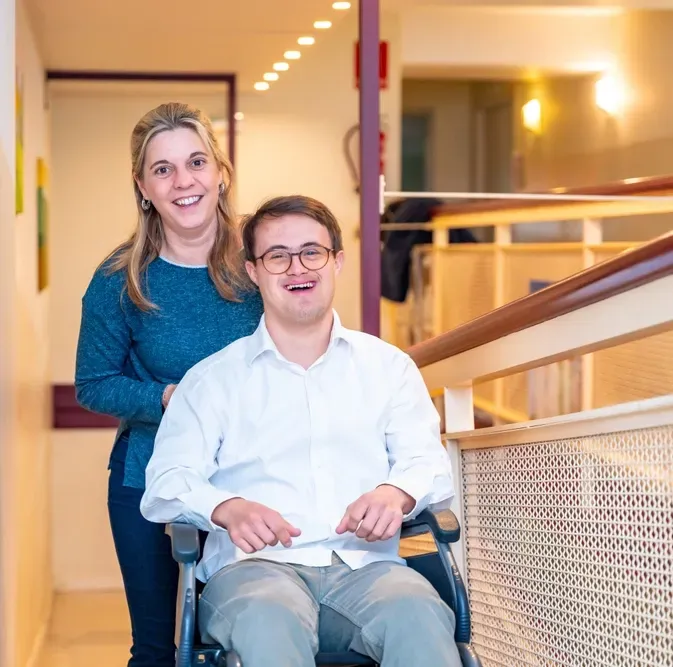
Answers & Real Experiences
At Ani’s Care in Darwin, we understand that choosing NDIS support comes with important questions. On this page, you can explore frequently asked questions that explain how our services work, what to expect and how supports align with your NDIS plan. You will also read genuine testimonials from participants and families who have accessed our services. Their feedback reflects the care, consistency and respect we aim to provide every day.
If you would like more information or have specific questions, call 0450 438 175 and speak with our team.
What Our Clients Say
Working with Ani's Care has been a pleasure. Her understanding and commitment to her work is incredible and her understanding of the health care sector. I know I can trust her with my friends and family who are in need of support services.
- Dee H
Ani's Care is compassionate, driven and understanding of each of their clients need. They tailor the services to meet their needs to ensure that quality service is provided to them and most importantly to feel at home.
- Rachel P
Thank you Ani's Care for taking the time to provide support to myself when I needed it the most. They provided me accommodation that suited my needs and also allowed me to recover from a traumatic experience without making me feel isolated or alone. They attended to me like I was family and I can't thank them enough for what they did for me. Thank you Ani.
- Jack B
Working with Ani's Care has been a pleasure. Her understanding and commitment to her work is incredible and her understanding of the health care sector. I know I can trust her with my friends and family who are in need of support services.
- Dee H
Ani's Care is compassionate, driven and understanding of each of their clients need. They tailor the services to meet their needs to ensure that quality service is provided to them and most importantly to feel at home.
- Rachel P
Frequently Asked Questions
Who is eligible for the NDIS?
To be eligible for the NDIS, a person must be under 65 years of age when they apply, live in Australia and be an Australian citizen, permanent resident, or hold a Protected Special Category Visa. The person must also have a permanent and significant disability that affects their ability to take part in everyday activities. The disability must be likely to be lifelong and require support from other people or assistive technology.
Eligibility is determined by the National Disability Insurance Agency after reviewing supporting documentation.
How do I apply for the NDIS?
To apply for the NDIS, an individual or their representative contacts the National Disability Insurance Agency to request an access form. The application process requires information about the disability, its impact on daily life and any current supports.
Medical evidence from qualified health professionals is typically required to confirm the nature and permanence of the disability. Once submitted, the NDIA assesses the application and determines whether the person meets access criteria.
What happens at an NDIS planning meeting?
During a planning meeting, the participant discusses their current situation, daily challenges and long-term goals with an NDIS planner or Local Area Coordinator. The discussion covers areas such as living arrangements, community involvement, employment and personal development.
The planner uses this information to determine reasonable and necessary supports that align with the participant’s goals. The outcome of this meeting forms the basis of the participant’s funded NDIS plan.
What services can be funded under NDIS daily living supports?
NDIS daily living supports can include assistance with personal care, such as showering, dressing and grooming, along with help managing household tasks like cleaning, meal preparation and laundry. Funding may also cover support with shared living arrangements, supervision where required and assistance with travel to appointments or activities.
Can NDIS services include community participation activities?
Yes, NDIS funding can support community participation where it aligns with personal goals. This may involve joining social groups, attending recreational activities, volunteering or participating in structured programs designed to build confidence and independence.
Community participation funding aims to help individuals strengthen social skills, develop new interests and build connections outside the home. Activities must relate directly to the goals outlined in the participant’s NDIS plan to be eligible for funding.
How does travel and transport assistance work under the NDIS?
Travel and transport assistance supports participants who cannot use public transport independently due to their disability. Funding may cover assistance with transport to medical appointments, work, education or community activities.
In some cases, the NDIS provides a transport allowance, while in other cases, a support worker may assist directly with travel. The level of support depends on individual needs, plan goals and funding allocations. Participants should review their plan to determine the type and amount of transport assistance available.
What are NDIS support categories?
NDIS support categories are funding groups within a participant’s NDIS plan that outline how allocated funds can be used. These categories are generally divided into Core supports, Capacity Building supports and Capital supports.
Each category has defined purposes and spending rules set by the NDIS. For example, Core supports may cover assistance with daily living or community access, while Capacity Building focuses on developing skills and independence. Understanding these categories helps participants manage their funding responsibly and align services with their approved goals.
What is the difference between Core and Capacity Building supports?
Core supports provide assistance with everyday activities such as personal care, household tasks and community participation. They offer flexibility within the allocated Core budget, allowing participants to use funding across certain support types if permitted.
Capacity Building supports, on the other hand, focus on developing long-term skills and independence. These supports are typically allocated to specific line items and cannot be moved between categories. Capacity Building aims to strengthen abilities in areas such as communication, social participation and daily living skills.
Can NDIS funding be moved between support categories?
In most cases, funding cannot be moved between major categories such as Core, Capacity Building and Capital. However, some flexibility may exist within Core supports depending on the participant’s plan management type.
Self-managed or plan-managed participants may have more flexibility compared to NDIA-managed plans. Participants should review their individual plan details or consult official NDIS guidelines to understand what flexibility applies to their funding.